
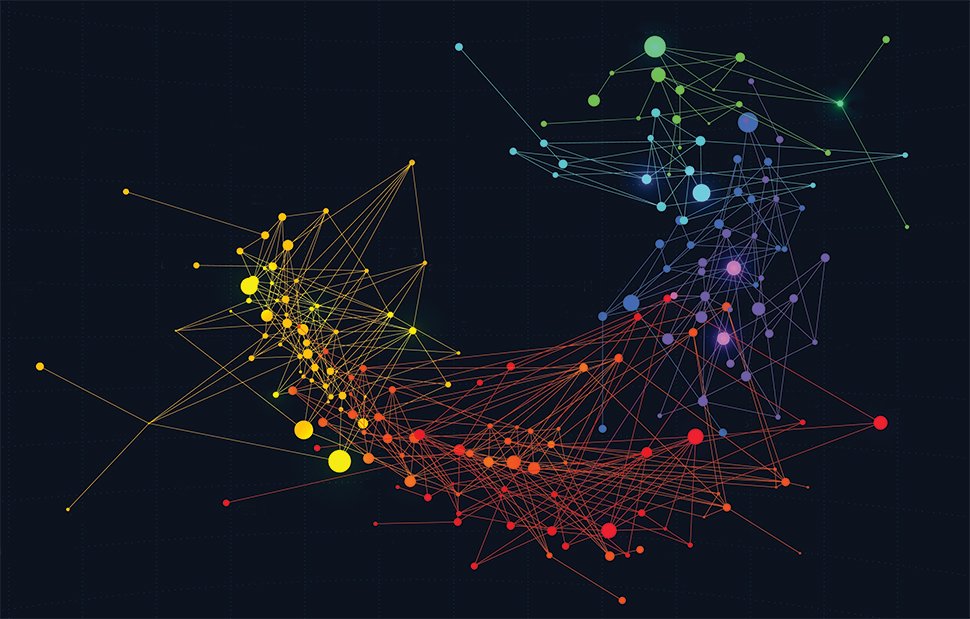
Why miRNA Networks Matter
The Limits of the Single-Protein Playbook
Most drugs are designed to inhibit or activate one protein.
But diseases like cancer, fibrosis, and neurodegeneration aren’t driven by one protein—they emerge from interacting biological networks.
When these networks are rewired, targeting one node isn’t enough.
It’s like trying to fix a power grid by adjusting a single wire.
The Overlooked Control Layer
microRNAs are small RNA molecules that regulate the production of hundreds of proteins simultaneously.
They serve as a system-wide control layer, orchestrating gene expression across pathways.
When miRNA levels are perturbed, the entire system drifts.
This dysregulation is a hallmark of most complex diseases.
Reprogramming, Not Silencing
Instead of silencing one miRNA or blocking one protein, Tesabio.ai aims to reprogram the network.
By restoring coordinated miRNA activity, we can correct the system behavior that underlies disease.
This network-level precision yields broader therapeutic effects without indiscriminate suppression.
From Complexity to Control
Our work transforms the challenge of biological complexity into a controllable problem of optimization.
Through AI, we model how miRNA networks behave—and how small molecules can reshape them toward health.
This is not reductionist biology. It’s systemic precision.